
The S&P 500 has climbed to new record highs, defying persistent economic uncertainty and underscoring investor confidence in the resilience of U.S. corporations and financial markets. Despite concerns over high interest rates, slowing economic growth, and lingering inflation risks, the benchmark index continues to advance, reflecting optimism about earnings prospects and expectations that monetary policy headwinds may ease over time.
The rally highlights a growing disconnect between market performance and macroeconomic anxiety. While economic indicators send mixed signals, investors appear increasingly focused on long-term fundamentals, corporate adaptability, and the belief that the U.S. economy can avoid a severe downturn.
Market Strength Amid Mixed Economic Signals
Economic uncertainty continues to be high. Although inflation is easing, it has not completely reached the Federal Reserve’s goal, and interest rates are still close to their highest levels in several years. Meanwhile, economic growth has decreased, and consumers are starting to feel the pressure from increased borrowing costs. Typically, such conditions would negatively impact stock markets.
However, the rise of the S&P 500 indicates that investors are overlooking immediate dangers. Robust corporate profits, especially from large-cap and growth-focused companies, have significantly contributed to the index’s rise. Many businesses have effectively adjusted to the elevated interest rates by enhancing efficiency, reducing expenses, and preserving their pricing abilities.
Earnings Resilience Supports the Rally
One of the key drivers behind the S&P 500’s climb is earnings resilience. While profit growth has moderated compared to earlier years, earnings have consistently exceeded expectations in several sectors. Technology, communication services, and consumer-related industries have delivered solid results, reinforcing confidence in corporate profitability.
Large, diversified companies within the index have benefited from strong balance sheets and access to capital, allowing them to navigate economic headwinds more effectively than smaller firms. This has made large-cap stocks particularly attractive to investors seeking stability amid uncertainty.
Role of Interest Rate Expectations
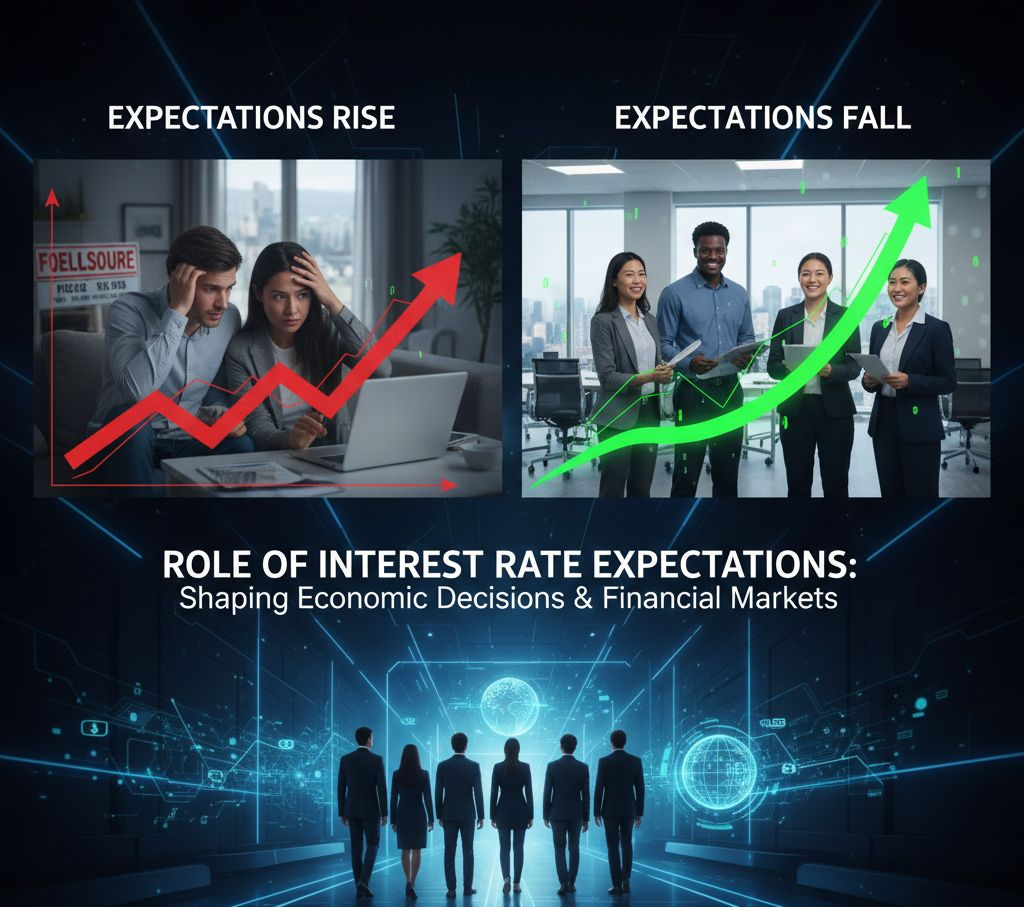
Expectations around interest rates have significantly influenced market sentiment. While the Federal Reserve has maintained a restrictive policy stance, investors increasingly believe that rates may be near their peak. Falling bond yields in recent weeks have reinforced this view, providing support for equity valuations.
Lower yields reduce the opportunity cost of holding stocks and increase the present value of future earnings, a dynamic that is especially beneficial for growth stocks. As a result, interest-rate-sensitive sectors have been among the strongest contributors to the S&P 500’s gains.
Market Leadership and Concentration
The rally has not been evenly distributed across all stocks. A relatively small group of large-cap companies has accounted for a significant portion of the index’s advance. These market leaders, many of them in technology and innovation-driven industries, have attracted significant investor attention due to their growth potential and perceived resilience.
While this concentration has helped propel the index to new highs, it has also raised concerns about market breadth. Some analysts caution that narrow leadership can increase vulnerability if sentiment toward these dominant companies shifts.
Investor Psychology and Risk Appetite
The S&P 500’s performance reflects a broader shift in investor psychology. After navigating years of volatility driven by the pandemic, inflation surges, and aggressive monetary tightening, investors appear more willing to embrace risk, particularly as fears of an imminent recession have subsided.
Improved sentiment has been supported by signs that the economy may achieve a soft landing, where growth slows but remains positive and employment stays relatively strong. This scenario reduces the likelihood of sharp earnings declines and supports higher equity valuations.
Ongoing Risks and Challenges
Despite the positive momentum, risks remain significant. Inflation could prove more persistent than expected, forcing the Federal Reserve to keep interest rates elevated longer than markets anticipate. Higher rates could eventually weigh more heavily on corporate earnings, consumer spending, and investment.
Geopolitical tensions, fiscal uncertainty, and potential financial market disruptions also pose threats to market stability. Additionally, elevated valuations in some segments of the S&P 500 leave less room for disappointment if economic or earnings data weaken.
Broader Economic Implications
The S&P 500’s ascent has implications beyond financial markets. Rising equity prices can support household wealth and consumer confidence, contributing to economic stability. However, if market gains become detached from underlying economic fundamentals, they could increase the risk of future corrections.
Policymakers and investors alike remain focused on whether the current rally reflects sustainable growth or excessive optimism. The answer will depend on the evolution of inflation, interest rates, and corporate performance in the months ahead.
Looking Ahead
The S&P 500 reaching new highs amid economic uncertainty underscores the market’s belief in the long-term strength of the U.S. economy and corporate sector. While challenges persist, investors appear confident that companies can adapt and that monetary policy pressures will eventually ease.
As markets move forward, volatility is likely to remain, but the index’s resilience highlights a key theme of the current cycle: optimism rooted in adaptability. Whether this confidence proves justified will depend on how successfully the economy navigates the balance between slowing growth and stabilizing inflation in an environment still shaped by higher interest rates.