
U.S. stock markets advanced as investors increasingly priced in expectations that interest rates may move lower in the coming months. Optimism around a potential shift in monetary policy lifted sentiment across Wall Street, driving gains in major indexes and supporting sectors that are particularly sensitive to borrowing costs. The rally reflects growing confidence that inflation is cooling and that the Federal Reserve could begin easing policy once economic conditions allow.
Market participants have become more forward-looking, focusing less on current interest rate levels and more on the direction policy may take. As data suggests inflation pressures are gradually easing while economic growth moderates, expectations of lower rates have gained momentum, providing a tailwind for equities.
Investor Sentiment Improves as Rate Outlook Shifts
Expectations of lower interest rates have a powerful influence on financial markets. When investors anticipate a decline in borrowing costs, future corporate earnings become more attractive, as lower rates reduce financing expenses and increase the present value of expected cash flows. This dynamic has been a key driver behind the recent market gains.
Statements from Federal Reserve officials emphasizing a data-dependent approach have reinforced the belief that the tightening cycle may be nearing its end. While policymakers have not committed to a timeline for rate cuts, their acknowledgment that inflation has shown signs of easing has been enough to shift market expectations toward a more accommodative stance over time.
Broad Gains Across Major Stock Indexes
The rally has been broad-based, with all major U.S. stock indexes posting gains. The S&P 500 rose as optimism spread across multiple sectors, while the Nasdaq Composite outperformed, reflecting strong demand for technology and growth stocks. These companies are particularly sensitive to interest rate expectations, as their valuations rely heavily on projected future earnings.
The Dow Jones Industrial Average also advanced, supported by gains in industrial, financial, and consumer-related stocks. The positive performance across indexes suggests that investor confidence is improving not just in select sectors, but across the broader market.
Technology and Growth Stocks Lead the Rally
Technology stocks have been among the biggest beneficiaries of expectations for lower interest rates. High-growth companies often depend on access to capital to fund expansion, research, and innovation. Lower borrowing costs improve their outlook by reducing financing constraints and supporting long-term investment strategies.
In addition, lower rates make growth stocks more appealing relative to fixed-income investments. When bond yields fall, investors are more willing to take on risk in pursuit of higher returns, increasing demand for equities with strong growth potential.
Bond Yields and Market Expectations
The stock market’s gains have coincided with a decline in Treasury yields, reflecting shifting expectations in bond markets. As investors anticipate a potential easing of monetary policy, demand for bonds increases, pushing yields lower. This decline in yields supports equity markets by making stocks more attractive in comparison to fixed-income assets.
Market-implied expectations suggest that investors believe rate cuts could occur once inflation shows sustained progress toward the Federal Reserve’s target. However, these expectations remain conditional and sensitive to incoming data, particularly inflation readings and labor market indicators.
Economic Data Reinforces Market Optimism
Recent economic statistics have significantly influenced views about interest rates. Measures of inflation are beginning to show some easing, lessening worries that prices might continue to rise sharply. Concurrently, the economy seems to be experiencing a slowdown that is not drastic, hinting that it might be heading toward a gentle landing.
Although the job market remains fairly robust, it has started to show some cooling signs, including a slowdown in job creation and smaller salary hikes. These developments lower the chances of inflation returning and support the argument for a possible change in policy down the line.
Federal Reserve Balances Caution and Flexibility
Despite market optimism, Federal Reserve officials continue to stress caution. Policymakers have emphasized that any decision to lower interest rates will depend on clear and sustained evidence that inflation is under control. They remain wary of easing too soon, which could risk reigniting price pressures and undermining progress made through restrictive policy.
This careful balancing act highlights the challenge facing the Fed: supporting economic stability without reversing gains in inflation control. While markets may be quick to anticipate rate cuts, policymakers are likely to move deliberately to avoid policy mistakes.
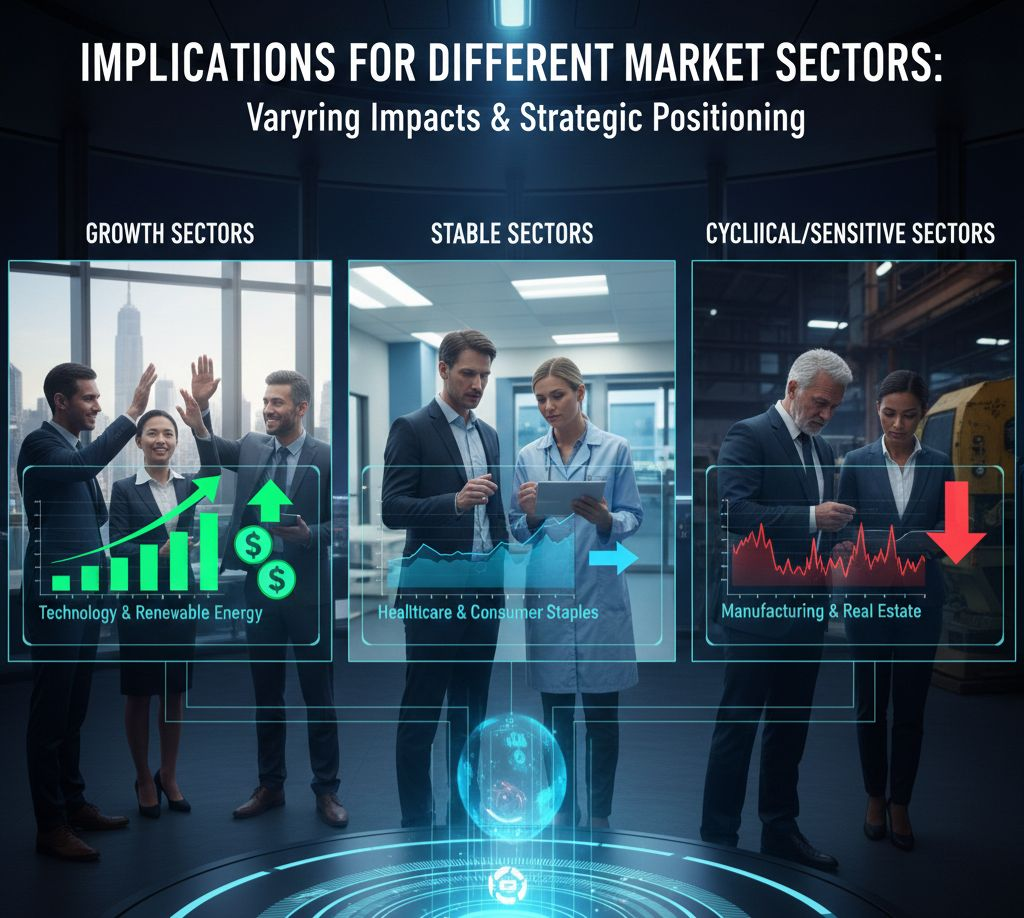
Implications for Different Market Sectors
Expectations of lower interest rates have implications beyond technology stocks. Interest-rate-sensitive sectors such as real estate, utilities, and consumer discretionary have also benefited from improved sentiment. Lower borrowing costs can stimulate housing activity, encourage consumer spending, and improve financing conditions for businesses.
Financial stocks have shown mixed performance. While lower rates can compress profit margins for banks, increased economic activity and loan demand can offset some of these pressures. As a result, investor response within the financial sector has varied based on individual company fundamentals.
Risks That Could Challenge the Rally
Despite the positive momentum, risks remain. A resurgence in inflation, stronger-than-expected economic data, or geopolitical shocks could quickly alter expectations around interest rates. Markets remain highly sensitive to new information, and sudden changes in outlook can lead to increased volatility.
Additionally, if rate cuts are delayed longer than investors expect, market optimism could fade. Valuations in some segments of the stock market already reflect a favorable policy outlook, leaving limited room for disappointment.
A Market Driven by Expectations
The recent gains in the U.S. stock market highlight the powerful role expectations play in shaping investor behavior. While interest rates remain high for now, growing confidence that borrowing costs may eventually decline has improved sentiment and supported equity prices.
As investors continue to assess economic data and Federal Reserve signals, expectations of lower interest rates will remain a key driver of market performance. The path forward may be uncertain, but for now, optimism around a potential easing cycle is providing a meaningful boost to U.S. equities.