
Bank stocks have experienced notable volatility as investors react to evolving expectations about U.S. interest rates and Federal Reserve policy. Changes in market sentiment regarding the trajectory of interest rates directly impact bank profitability, lending activity, and investor confidence, making financial institutions highly sensitive to policy signals and economic data.
Recently, bank shares have shown mixed performance, reflecting the complex dynamics between borrowing costs, economic growth, and loan demand. While some investors see opportunities in rising yields that can boost net interest margins, others remain cautious amid slower loan growth and uncertainty over future rate moves.
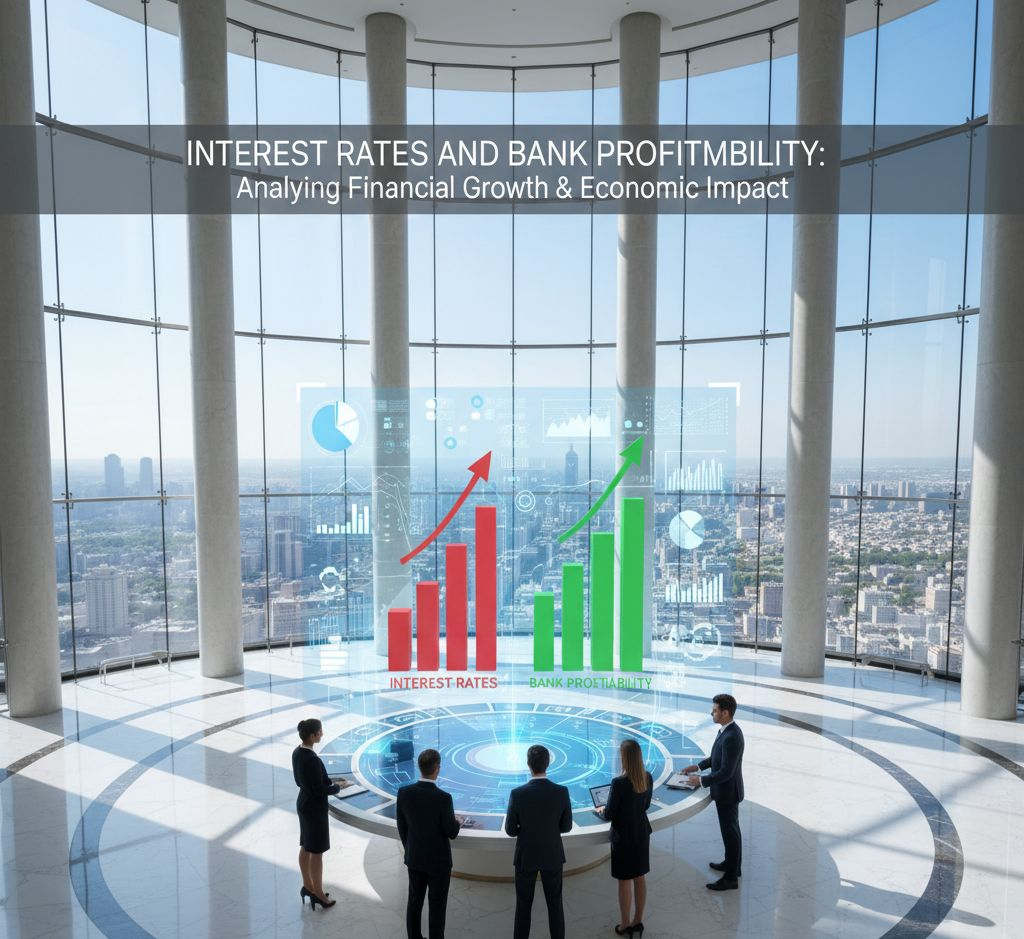
Interest Rates and Bank Profitability
Interest rates are a critical driver of bank earnings. When rates rise, banks can earn more on loans relative to deposits, improving net interest margins—the difference between interest income and interest expense. Conversely, if rates fall or remain uncertain, margins may compress, limiting profitability.
As a result, investor expectations around Federal Reserve policy have a direct impact on bank stock valuations. Optimism that rates will remain high can support financial shares, while expectations of prolonged rate cuts or economic slowdown can weigh on sentiment.
Market Reactions to Fed Signals
Bank shares have reacted strongly to recent remarks from the Federal Reserve that highlight the importance of relying on data. Investors are carefully examining the Fed’s insights on inflation, job numbers, and economic expansion to predict if interest rates will remain high or slowly drop.
After hints that the Fed might take a careful approach, certain bank shares rose because of the possibility of high returns lasting longer. Nonetheless, worries about a slowdown in economic growth and possible drops in lending have limited the increases, resulting in a varied trading atmosphere.
Loan Growth and Credit Conditions
Banks’ performance is influenced not only by interest rates but also by the demand for loans. Higher rates tend to slow borrowing for mortgages, business investment, and consumer credit, potentially limiting revenue growth. In recent months, signs of cooling loan activity have emerged, reflecting elevated borrowing costs and cautious consumer behavior.
Credit quality also remains under observation. While defaults have generally stayed low, prolonged economic uncertainty could increase delinquencies, particularly in sectors sensitive to interest rates such as real estate and consumer finance. Investors are weighing these risks when evaluating bank equities.
Sector-Specific Impacts
Not all banks are affected equally. Regional banks, which rely heavily on lending and deposit spreads, tend to be more sensitive to immediate interest rate changes. Large national banks, with diversified revenue streams including investment banking, trading, and wealth management, may be better insulated from short-term rate fluctuations.
Banks with significant exposure to mortgages or commercial real estate face particular challenges in a high-rate environment, as demand slows and refinancing activity declines. Conversely, institutions with strong deposit bases benefit from higher net interest margins, highlighting the sector’s variability.
Investor Strategies and Dividend Appeal
Amid rate uncertainty, investors are adjusting strategies. Some are rotating into bank stocks with strong balance sheets and attractive dividend yields, seeking both income and capital appreciation. Others are taking a cautious approach, limiting exposure to banks with concentrated rate or loan risk.
Dividend-paying banks remain appealing, especially in a market where fixed-income yields have been volatile. Reliable dividends can provide a buffer during periods of earnings uncertainty, making such stocks attractive to income-focused investors.
Broader Implications for the Economy
Bank performance has implications beyond investor portfolios. Healthy banks support economic growth by providing credit to households and businesses. Conversely, stress in the banking sector can amplify economic slowdowns, constraining lending and increasing borrowing costs.
As interest rate expectations shift, banks serve as both indicators and influencers of broader financial conditions. Their stock performance reflects investor confidence in the economy, credit markets, and monetary policy direction.
Risks and Outlook
Looking ahead, bank stocks are likely to remain sensitive to incoming economic data, Federal Reserve guidance, and interest rate volatility. Any unexpected acceleration in inflation or slowdown in growth could trigger sharp market reactions, influencing valuations across the sector.
Investors will continue to monitor loan growth, credit quality, net interest margins, and policy signals to assess the sector’s health. Banks with strong balance sheets, diversified revenue streams, and resilient operations are likely to outperform, while those exposed to rate or sector-specific risks may face continued pressure.
Conclusion
Bank stocks are at the center of investor attention as interest rate expectations evolve. The sector reflects a delicate balance between opportunity and risk: higher rates can boost earnings, but slower loan growth and economic uncertainty temper optimism.
As markets adjust to shifting monetary policy signals and economic developments, bank equities will continue to be a key barometer of both financial market sentiment and broader economic conditions. For investors, navigating this environment requires careful attention to rate trends, balance sheet strength, and the interplay between lending dynamics and market expectations.