
U.S. retail sales have shown signs of decline as consumers adjust their spending habits amid rising costs, high interest rates, and slowing economic growth. Recent data highlights a shift in consumer behavior, with households becoming more selective in their purchases and prioritizing essential goods over discretionary spending. This change reflects broader economic pressures and signals caution for retailers and investors alike.
While consumer spending has historically been a key driver of U.S. economic growth, the current environment suggests that households are increasingly focused on balancing budgets, managing debt, and responding to higher borrowing costs. As a result, retailers across multiple sectors are experiencing slower revenue growth.
Factors Driving the Decline in Retail Sales
Several factors have contributed to the recent decline in retail sales. First, elevated interest rates have increased the cost of financing for consumers, particularly for big-ticket items such as automobiles, furniture, and home appliances. Higher monthly payments reduce disposable income and limit discretionary spending.
Second, persistent inflation has eroded purchasing power. Even as inflation shows signs of moderation, prices for food, energy, and other essential goods remain elevated, forcing households to adjust spending patterns and prioritize necessities.
Third, economic uncertainty and cautious sentiment are influencing consumer decisions. Concerns over potential job market softness, slower wage growth, and broader economic conditions are prompting households to reduce spending and increase savings as a precautionary measure.
Changes in Consumer Behavior
Retail sales are on the decline as consumers take a more conscientious and value-seeking approach to their purchases. Consumers are choosing to buy necessary items from discount retailers and private label brands over higher-end or luxury items. Online shopping is still prevalent; however, online shopping has recently begun showing signs of slow growth as consumers are utilizing their online shopping to find the best deals and compare prices more rigorously than in years past.
The decline in discretionary spending on travel, dining, luxury goods, and entertainment has greatly affected discretionary spending. Households have significantly reduced their discretionary spending leading to major losses for retailers reliant on the sale of these types of items.
Sector-Specific Impacts
Retail sectors are experiencing varying degrees of pressure. Grocery and household essentials have remained relatively stable due to consistent demand. By contrast, apparel, electronics, luxury goods, and furniture have seen weaker sales as consumers prioritize necessities and delay or reduce discretionary purchases.
Discount and value-oriented retailers are benefiting from the shift in spending habits. Consumers are increasingly seeking cost-effective alternatives and promotional offers, driving traffic to stores and online platforms that offer competitive pricing.
Implications for Retailers
The decline in sales has prompted retailers to reassess strategies, manage inventories, and control costs. Many companies are adjusting supply chains, reducing excess stock, and focusing on efficiency to protect margins. Promotions, loyalty programs, and targeted marketing campaigns are being used to attract and retain customers in a more cautious spending environment.
Retailers with strong online platforms and omnichannel capabilities are better positioned to adapt to changing consumer behavior. Data-driven insights into shopping patterns allow companies to tailor offerings, optimize pricing, and maintain engagement despite slower overall sales growth.
Investor and Market Response
Investor reaction to declining retail sales has been mixed. While slower consumer spending raises concerns about earnings growth, companies that demonstrate resilience, effective cost management, and adaptability tend to maintain investor confidence. Stocks of firms that align with consumer priorities, such as discount chains or essential goods providers, have outperformed peers.
Markets are closely watching earnings reports and forward guidance to gauge whether weaker retail sales reflect a temporary adjustment or a longer-term trend in consumer behavior.
Broader Economic Implications
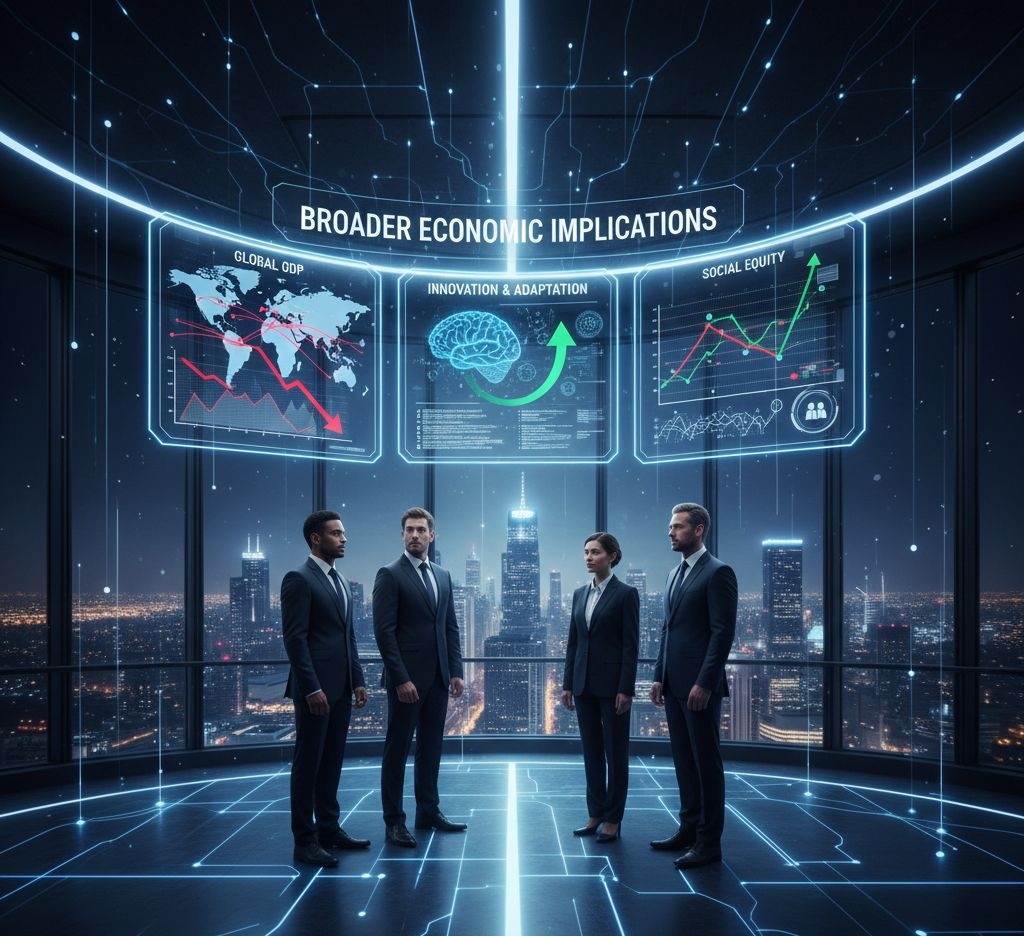
Shopping sales play an important role in GDP, making up a large share of total economic activity. A decline in what people spend can lead to wider effects on economic development, job opportunities, and company profits. Less retail activity might also impact supply chains, transportation, and other sectors that rely on strong consumer demand.
Nevertheless, careful spending can indicate a move towards more sustainable buying habits and less household debt, which could help promote financial stability in the long run.
Outlook for Retail Sales
Looking ahead, retail sales are likely to remain influenced by interest rates, inflation trends, and consumer confidence. While essential goods and value-focused retailers may maintain stable performance, discretionary spending could continue to face pressure until economic conditions improve or borrowing costs ease.
Retailers that invest in efficiency, digital platforms, and customer engagement strategies are expected to navigate the slower growth environment more effectively. Consumer behavior will remain a key factor shaping revenue trends and market performance.
Conclusion
The decline in U.S. retail sales reflects a broader shift in consumer spending habits as households adapt to higher costs, tighter budgets, and economic uncertainty. While essential goods continue to perform steadily, discretionary spending has slowed, creating challenges for many retailers.
For investors and market participants, understanding these changes is critical for evaluating company performance and sector trends. Retailers that respond strategically—through cost management, targeted marketing, and digital innovation—are better positioned to maintain profitability and capture long-term growth opportunities even amid cautious consumer behavior.